

The right propulsion system for every situation

Be it out at sea or in port, on rivers or lakes – Voith’s customtailored propulsion systems ensure precise, prompt and safe maneuvering. Our propulsion solutions are specifically designed for all maritime tasks and requirements.
Propulsion system technology is key to operate vessels efficiently and with a high degree of safety. Matching the propulsion system to the vessel design is equally important. With almost 100 years of experience, Voith provides Propulsion systems tailored to the application.
The Voith propulsion system portfolio
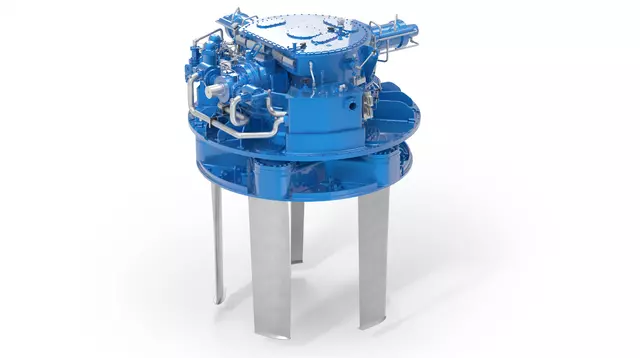
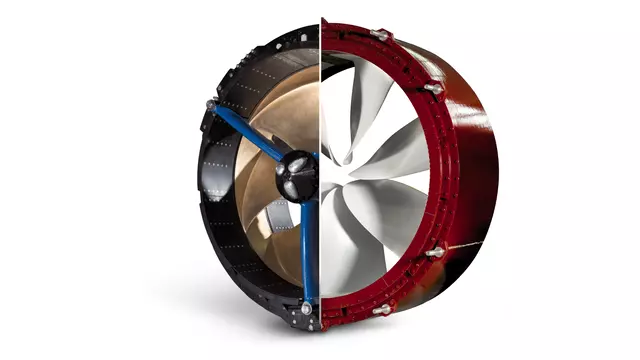
In addition to the proven Voith Schneider Propeller (VSP) with its stepless, precise and prompt generation of thrust in all directions Voith Inline Thrusters (VIT) and Voith Inline Propulsors (VIP) are used as propulsion systems or thrusters. They require neither axles nor shafts or gearing. The Voith Linear Jet (VLJ) combines the best properties of propellers with the best properties of waterjets.


Our propulsion solutions
Our propulsion solutions are specifically designed for all maritime tasks and requirements








Engineered for success

Our system protects your hardware. How? By continuous monitoring and timely alerts. With a Voith Schneider Propeller (VSP), you are always in a position to react quickly to challenging situations and unforeseen external influences. OnCare.Health Marine is the perfect complement to this propulsion system and allows you to respond equally as quickly to the slightest irregularities in and on the VSP.

The open sea – both a valuable source of energy and an unpredictable force. A force that can only be mastered safely and efficiently with the best technology. A force that requires a connecting BRIDGE – with the innovative drive systems from Voith.
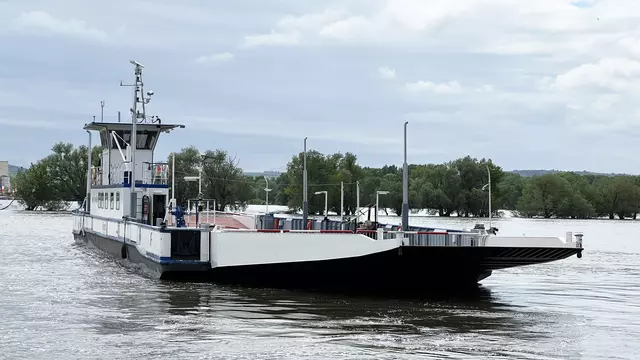
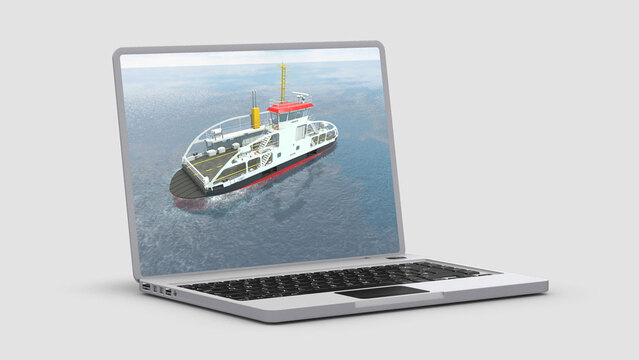
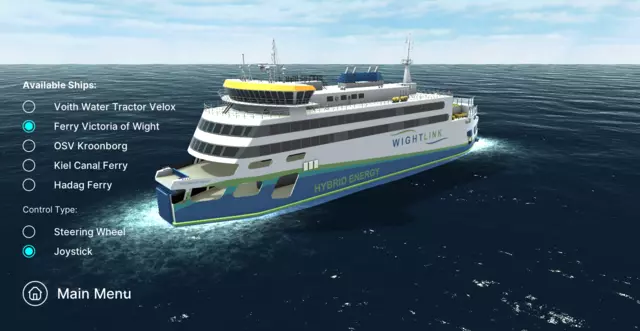
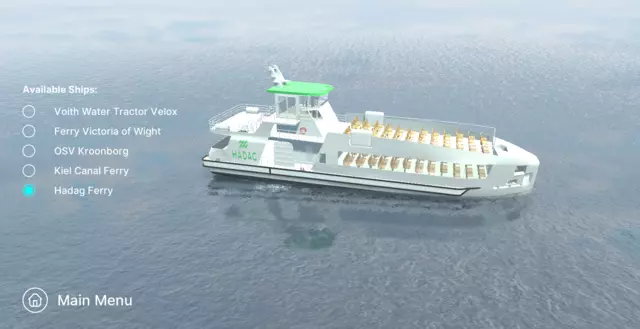
Autonomous systems are an important topic of the future in the field of global mobility. The research project “automated and coordinated navigation of inland ferries” (AKOON in German) is a collaborative project undertaken by Voith, the Institute of Control Engineering at RWTH Aachen University and other partners (AKOON). The foundations for the complete automation of inland navigation will be developed.
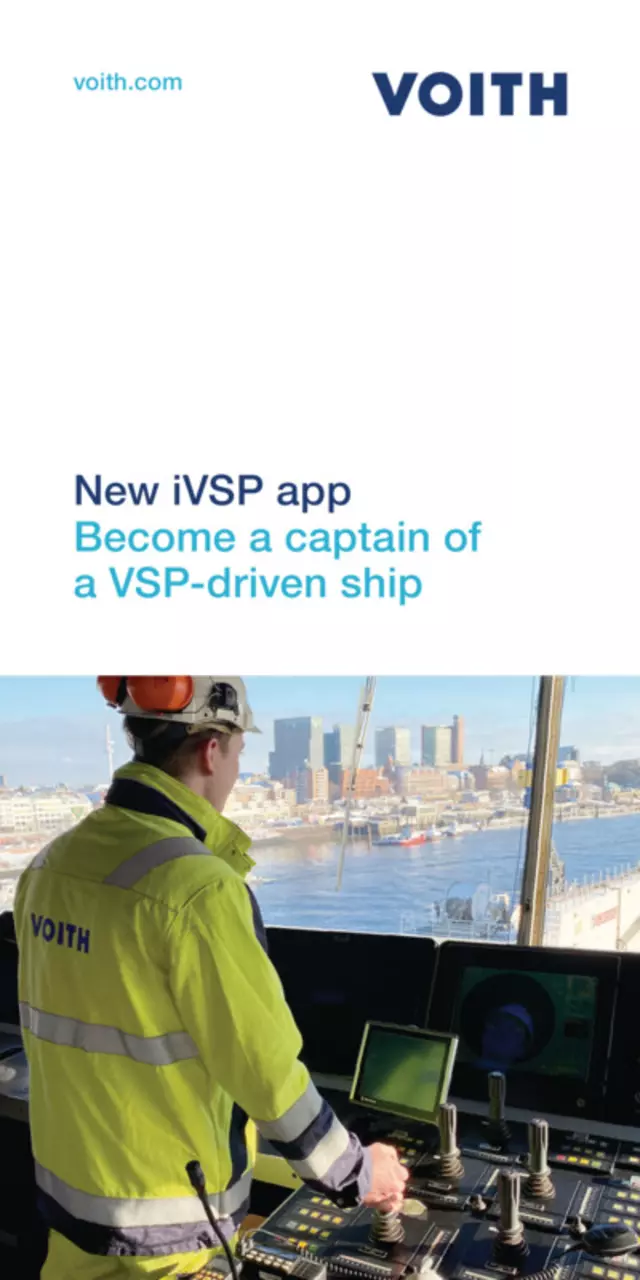
Service for Voith Vessel Propulsion Systems

- Everything from a single source: development, design, production – and service!
- Decades of product experience as an original equipment manufacturer and service provider
- Fast and smooth cooperation and best service thanks to a worldwide network of service locations
- Long-term partnership and planning security are guaranteed due to longstanding corporate stability
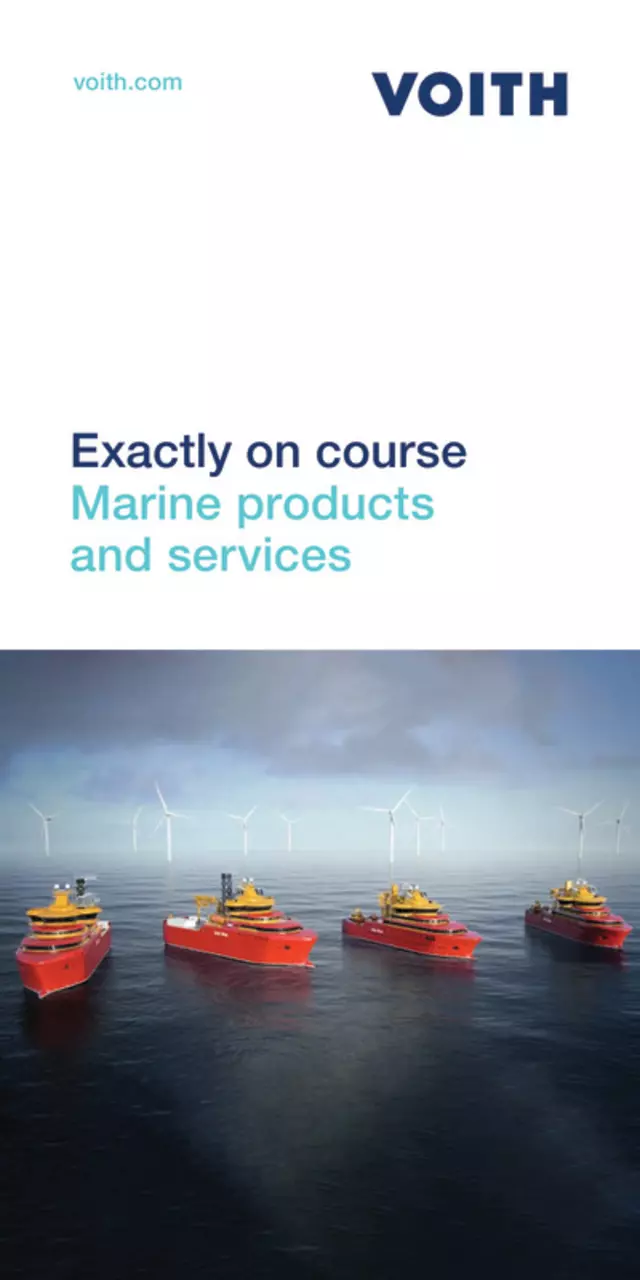
Additional products for your marine applications
Shipbuilding entails more than just the propulsion system. We offer complimentary products ensuring safety, reliability and an extended lifespan.


